The Chevrolet Silverado isn't just a truck; it's an American institution, a testament to evolving utility, power, and comfort. Tracing the Key Evolutionary Changes Across Silverado Generations reveals a fascinating journey from a robust workhorse to a sophisticated, versatile vehicle that caters to an incredibly diverse audience. For anyone who's ever driven one, owned one, or just admired its presence on the road, understanding these shifts isn't just about specs—it's about appreciating how a vehicle adapts, innovates, and remains relevant for decades.
It's a story of constant refinement, driven by consumer demands, technological breakthroughs, and a relentless pursuit of better performance and efficiency. This isn't just a simple facelift between model years; it's a fundamental reimagining of what a full-size pickup can be.
At a Glance: Silverado's Generational Leaps
- 1st Gen (1999-2006): Established the standalone Silverado, prioritizing a blend of work capability and nascent ride comfort on the GMT800 platform.
- 2nd Gen (2007-2013): Focused on refinement and capability, introducing enhanced towing, a smoother ride (GMT900), and even a hybrid option.
- 3rd Gen (2014-2018): Ushered in an era of advanced technology, improved aerodynamics, fuel efficiency (EcoTec3 engines), and premium luxury with the High Country trim.
- 4th Gen (2019-Present): Marked by a bold new design, lighter and stronger GMT T1XX platform, diverse powertrain options (including turbo-four and diesel), and expanded driver-assist features.
From C/K to Silverado: The Birth of a Legend
Before the Silverado became a nameplate of its own, it was a trim level within the venerable Chevrolet C/K series, a line that had served American workers and families since the 1960s. The decision to spin off "Silverado" into its own dedicated truck series for the 1999 model year was a strategic one, recognizing the growing importance of the full-size pickup market and the need for a fresh, modern identity. This wasn't merely a rebranding; it was the start of a new chapter, building on a rich heritage while looking firmly towards the future.
First Generation (1999-2006): Forging the Modern Foundation
When the first-generation Silverado rolled out in late 1998 for the 1999 model year, it was clear Chevrolet meant business. Built on the brand-new GMT800 platform, this truck was a significant departure from its C/K predecessors. The platform itself was designed with a focus on improving what drivers valued most: a more comfortable ride without sacrificing capability. This meant a redesigned frame that offered enhanced rigidity and better handling characteristics, making long hauls or daily commutes far more agreeable than before.
Configuration versatility was a core strength from day one. Buyers could choose from Regular Cab, Extended Cab, and, later in the generation, a four-door Crew Cab, addressing different needs from dedicated work trucks to family haulers. Trim levels were straightforward yet effective: the no-nonsense WT (Work Truck), the mid-range LS, and the more appointed LT.
Under the hood, a range of engines ensured there was power for every task. The initial lineup included a 4.3L V6 for lighter duties, and the ubiquitous 4.8L V8 and 5.3L V8, which quickly became favorites for their blend of power and everyday usability. As the generation matured, a more potent 6.0L V8 became available in certain models, catering to those who needed extra muscle. This generation laid the groundwork, proving that a Chevrolet truck could be both a rugged tool and a comfortable companion. It set the stage for all the advancements that were to come, solidifying the Silverado's place in the competitive truck market. For a deeper dive into how this iconic truck line evolved, you can Explore Chevy Silverado generations in more detail.
Second Generation (2007-2013): Refinement, Capability, and Early Efficiency
The 2007 model year marked a significant leap forward with the introduction of the second-generation Silverado. This redesign wasn't just skin deep; it was founded on the robust GMT900 platform. This new architecture brought tangible benefits, most notably enhanced towing capabilities and a further refined ride quality. Chevrolet engineers focused on improving body stiffness and reducing noise, vibration, and harshness (NVH), resulting in a quieter, more composed driving experience—even with a heavy load.
The trim hierarchy expanded slightly, still offering the WT, LS, and LT, but now introducing the upscale LTZ, which provided a taste of luxury previously uncommon in work-oriented trucks. This reflected a growing trend among truck buyers who wanted comfort and amenities alongside brute strength.
Perhaps the most notable innovation of this generation was the introduction of the Silverado Hybrid from 2009 to 2013. This wasn't a mild hybrid system; it was a full-fledged two-mode hybrid setup that allowed for electric-only propulsion at low speeds and significantly improved fuel economy in city driving. While it didn't capture a massive market share, it demonstrated Chevrolet's early commitment to exploring efficiency alternatives within the full-size truck segment, far ahead of widespread adoption.
Engine options continued to mature. The 4.3L V6 and 4.8L V8 remained foundational, but the 5.3L V8 continued to be a strong seller, often paired with Active Fuel Management (cylinder deactivation) for improved highway mileage. For those craving maximum power, a premium 6.2L V8 was introduced, pushing performance boundaries for the Silverado. This generation proved the Silverado could evolve not just in terms of strength, but also in sophistication and environmental consciousness.
Third Generation (2014-2018): The Tech and Luxury Revolution
The 2014 Silverado brought another comprehensive redesign, pushing the boundaries of what a full-size truck could offer in terms of technology, efficiency, and outright luxury. Visually, the truck adopted sharper lines and a more aerodynamic profile, a subtle but important change aimed at improving fuel economy—a constant battle in the truck world.
Under the hood, a new family of EcoTec3 engines debuted: a 4.3L V6, 5.3L V8, and the range-topping 6.2L V8. These engines featured direct injection, continuously variable valve timing, and improved Active Fuel Management, all designed to squeeze more miles out of every gallon without sacrificing power. It was a clear signal that efficiency was no longer an afterthought, even for V8 trucks.
The trim levels continued to expand upwards. Alongside the familiar WT, LS, LT, and LTZ, Chevrolet introduced the opulent High Country trim. This was a direct response to the burgeoning luxury truck market, featuring exclusive design elements, premium leather interiors, and a host of creature comforts. The High Country elevated the Silverado from a capable work truck to a genuine luxury vehicle, blurring the lines between utility and opulence.
Technologically, this generation was a game-changer. It saw the introduction of advanced safety features like lane departure warning and forward collision alert, making the Silverado a safer choice for families and fleet managers alike. The Chevrolet MyLink infotainment system also debuted, offering touchscreen control, smartphone integration, and navigation, transforming the truck's cabin into a connected command center. This era firmly cemented the Silverado as a competitor not just in capability but also in cutting-edge automotive tech.
Fourth Generation (2019-Present): Boldness, Diversity, and Next-Level Performance
Unveiled as a 2019 model, the fourth-generation Silverado represented the most dramatic design departure and technological leap yet. Built on the all-new GMT T1XX platform, this generation embraced lightweight materials, including strategic use of aluminum, to create a more extensive, yet lighter body. The result? Enhanced payload and towing capacities, crucial metrics for any serious truck buyer.
Aesthetically, the fourth gen is unmistakable, featuring a bolder, more muscular design with a larger, more imposing grille and distinctive lighting signatures that vary by trim. Inside, the cabin received an updated Chevrolet Infotainment 3 system and an even broader suite of driver assistance technologies, further enhancing safety and convenience.
This generation also redefined powertrain diversity. While the 4.3L EcoTec3 V6, 5.3L EcoTec3 V8, and 6.2L EcoTec3 V8 carried over, two groundbreaking new options were introduced: a new 2.7L Turbocharged Inline-4 (initially available for specific trims and later becoming a compelling base engine) and, perhaps most anticipated, a 3.0L Duramax Turbo-Diesel six-cylinder (added in 2020). The turbo-four offered surprising power and efficiency for its size, while the Duramax provided outstanding torque, fuel economy, and refinement, appealing to a broad segment of buyers, from long-haulers to daily drivers.
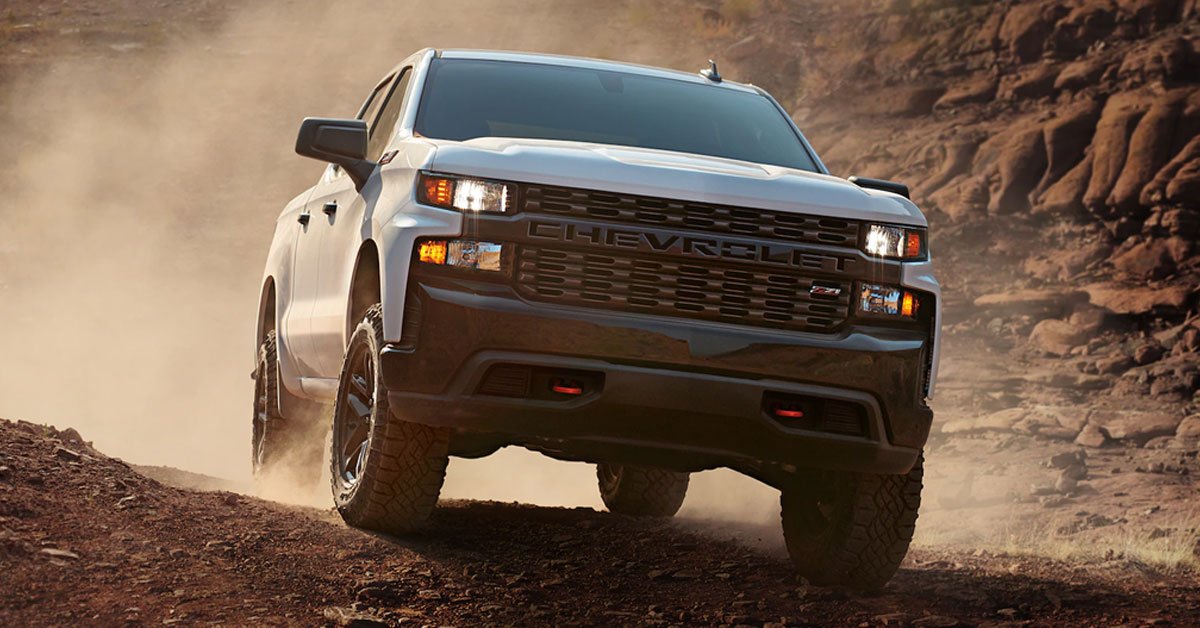
The fourth generation also introduced a wealth of specialized editions and trims, catering to every conceivable niche. The off-road-focused Trail Boss, with its factory lift and aggressive styling, demonstrated Chevrolet's commitment to the burgeoning adventure market. Aesthetic packages like the Rally editions offered unique visual flair. The extensive trim lineup—WT, LD (for specific markets), Custom (a simplified LT), LT, RST (a new sport-oriented trim), LTZ, and High Country—ensures that there truly is a Silverado for every purpose and preference. For those tracking the lineage of this American icon, further details on each iteration can be found if you explore Chevy Silverado generations.
Silverado's Enduring Evolution: Themes Across the Generations
Looking back, several overarching themes define the Silverado's journey, illustrating not just changes, but consistent priorities.
The Workhorse to Luxury Spectrum
From the simple WT of the first generation to the opulent High Country of today, the Silverado has mastered the art of catering to an incredibly wide range of buyers. This flexibility in trim levels is a hallmark of the Silverado's appeal. Early models might have been singular in purpose, but modern Silverados effortlessly transition from a job site to a valet stand, proving that rugged capability and refined comfort are not mutually exclusive.
The Power Beneath the Hood: Engines and Efficiency
Each generation has brought advancements in powertrain technology. What started with reliable but less efficient V6 and V8 options has evolved into a sophisticated lineup featuring direct injection, cylinder deactivation, turbocharging, and even a diesel. The constant drive has been to extract more power and torque while simultaneously improving fuel economy—a balance that demands significant engineering ingenuity. The introduction of the Hybrid and later the 2.7L Turbo and 3.0L Duramax diesel are prime examples of Chevrolet's commitment to offering powertrain diversity to meet different efficiency and performance needs.
Safety and Technology Integration
Early Silverados offered basic safety features; modern ones are packed with advanced driver-assistance systems (ADAS) that actively help prevent accidents. Similarly, infotainment has progressed from simple radios to comprehensive, connected systems that integrate seamlessly with smartphones. These aren't just add-ons; they're reflections of evolving consumer expectations and the increasing role technology plays in our daily lives and on the road.
Design Language: From Utilitarian to Sculpted
While always recognizable as a Chevrolet truck, the Silverado's design has undergone a significant transformation. The first generation was clean and functional. The second added refinement. The third sharpened the edges for aerodynamics. The fourth, however, took a bold leap, embracing a more aggressive, chiseled look that makes it stand out. This evolution showcases how design must balance brand identity with contemporary aesthetics and functional requirements.
Choosing Your Silverado: What These Changes Mean for You
Understanding the evolutionary changes across Silverado generations isn't just an academic exercise; it has real implications if you're in the market for a new or used truck.
- Considering a Used Silverado?
- First Gen (1999-2006): Great if you need a no-frills, reliable work truck on a budget. Expect older tech and less refined ride quality. Parts are plentiful.
- Second Gen (2007-2013): A solid choice for enhanced towing and a more comfortable ride than the first gen, often at an attractive price point. Consider the Hybrid for urban fuel savings.
- Third Gen (2014-2018): Balances modern features like infotainment and advanced safety with proven V8 power. Excellent value if you want a relatively recent truck without the absolute latest price tag. The High Country offers accessible luxury.
- Prioritizing Fuel Economy? Look towards the third-gen EcoTec3 engines or, for the best efficiency in a full-size truck, the fourth-gen 2.7L Turbo or 3.0L Duramax diesel.
- Need Cutting-Edge Tech and Maximum Capability? The fourth generation is your best bet, with its lighter platform, diverse powertrains, and comprehensive suite of driver-assist and infotainment features.
- Off-Road Enthusiast? The fourth-gen Trail Boss models offer factory-backed off-road prowess right from the showroom floor.
Your ideal Silverado will depend on your budget, your primary use case (work, family, adventure), and your desire for modern amenities versus pure utility.
Common Questions About Silverado Generations
Which Silverado generation is best for towing?
While all generations are capable, the fourth generation (2019-Present) on the GMT T1XX platform offers the highest and most advanced towing capacities, thanks to its lighter, stronger build and powerful engine options like the 6.2L V8 and 3.0L Duramax diesel. Advanced towing technologies like various camera views also make it easier. The second (GMT900) and third generations also offer very strong towing capabilities.
Are older Silverados still reliable?
Generally, yes. Chevrolet trucks are known for their durability. Older models (first and second gen) can be very reliable if well-maintained. Common issues usually revolve around specific engine components (like Active Fuel Management lifters on some V8s), but these are well-documented and often repairable. It's always wise to get a pre-purchase inspection.
What's the deal with the Hybrid Silverado?
The second-generation Silverado Hybrid (2009-2013) was an innovative attempt to bring significant fuel economy improvements to the full-size truck market. It used a two-mode hybrid system allowing electric-only driving at low speeds. While it delivered impressive city MPG for its time, it was a niche product and relatively complex. They are rarer on the used market, but can offer unique value for specific urban driving needs if you find one in good condition.
How have Silverado interiors changed over time?
Interiors have evolved dramatically. The first gen was utilitarian with durable plastics. The second gen brought more refinement and better materials. The third gen saw a major leap with the introduction of MyLink infotainment and more upscale textures, especially in LTZ and High Country trims. The fourth gen continued this trend with an updated infotainment system, improved ergonomics, and premium materials in higher trims, though some critics initially felt the dashboard design wasn't as modern as competitors.
The Enduring Appeal of Evolution
The Chevrolet Silverado's journey through its generations is a compelling narrative of continuous improvement and adaptation. Each iteration has built upon the last, incorporating new technologies, responding to market demands, and refining the core attributes that make a Silverado a Silverado: capability, durability, and versatility. From its humble beginnings as a standalone model to its current status as a tech-laden powerhouse with a dizzying array of options, the Silverado has consistently proven its ability to evolve while staying true to its rugged American spirit. This ongoing evolution ensures that the Silverado remains a formidable contender, ready to tackle the challenges of tomorrow, just as it has for decades.