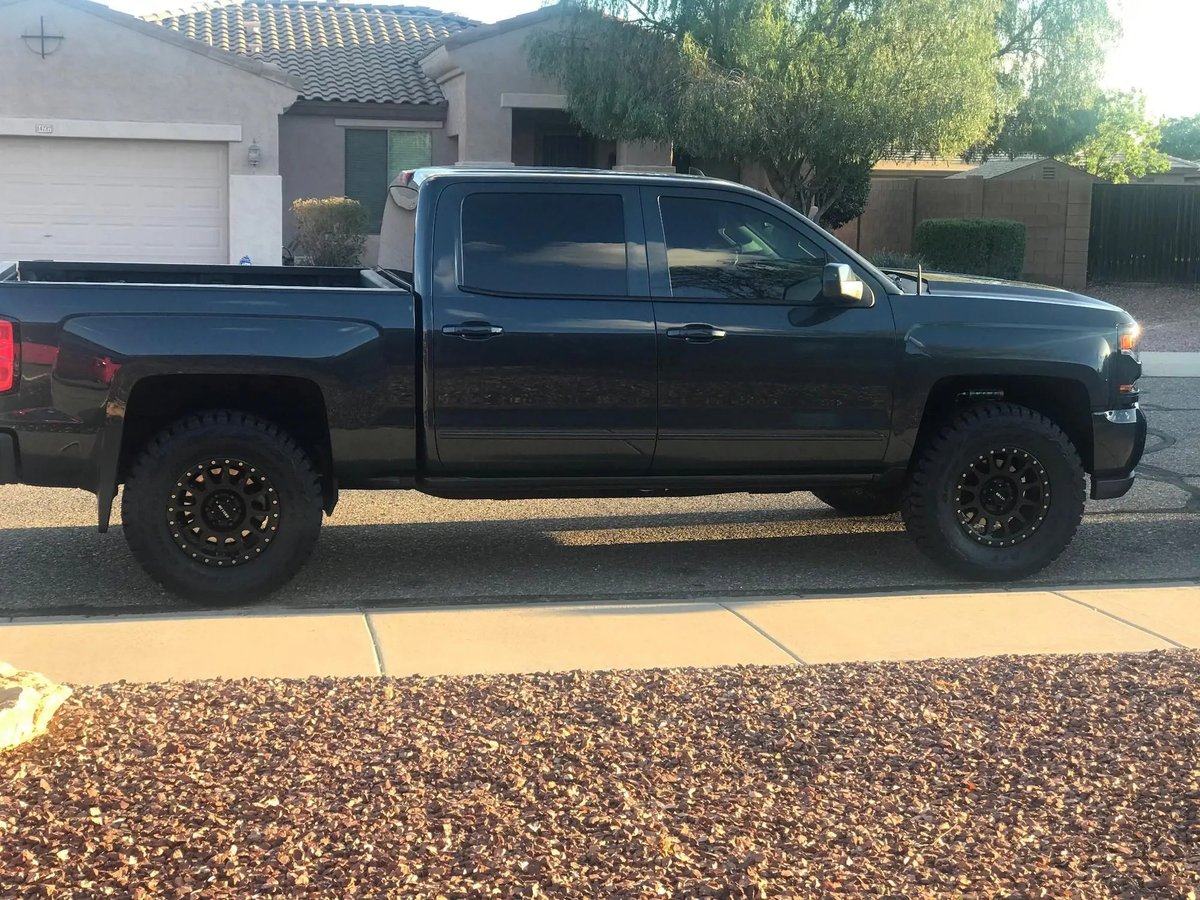
The hunt for a reliable used truck often feels like navigating a maze, especially when you're zeroing in on a specific era. For many, the Third Generation Chevy Silverado (2014-2018) represents a sweet spot, offering modern capabilities without the brand-new price tag. But like any good pickup story, this generation has its heroes and its cautionary tales. Not all years are created equal, and understanding the nuances can save you headaches and hundreds, if not thousands, of dollars down the road.
Before you jump into the driver's seat, let's get you squared away with what you need to know about this popular generation.
At a Glance: Third Generation Chevy Silverado (2014-2018)
- Best Years: 2017 and 2018 models offer the most refined experience, with improved tech, fewer reported issues, and strong resale value.
- Neutral Year: The 2016 Silverado provides a decent balance of reliability and features, making it a solid, if not outstanding, choice.
- Worst Years: The inaugural 2014 and the subsequent 2015 models faced significant growing pains, with numerous engine, transmission, and steering complaints, alongside a hefty recall list.
- Key Features: Redesigned exterior, lighter platform, updated EcoTec3 engines (V6 and V8s), improved interiors, and evolving infotainment (Chevy MyLink, Apple CarPlay/Android Auto in later years).
- Common Concerns: Active Fuel Management (AFM) system, some transmission quirks, and power steering issues are noted across the generation, particularly in earlier models.
A New Chapter: What Defined the Third-Generation Silverado?
When Chevrolet rolled out the GMTK2XX platform in 2014, it wasn't just another facelift; it was a comprehensive redesign aimed at modernizing the Silverado for a new era of truck buyers. This generation sought to blend traditional truck ruggedness with passenger-car comfort and advanced technology.
Engineered with high-strength steel and a lighter aluminum hood, this Silverado was designed to be more fuel-efficient and agile than its predecessors, while still delivering impressive towing and hauling capabilities. It introduced the new EcoTec3 engine family, featuring direct injection, continuously variable valve timing, and the infamous Active Fuel Management (AFM) system, which allowed V8 engines to run on four cylinders under light loads to save fuel.
Inside, the cabin saw a significant upgrade, with better materials, improved ergonomics, and quieter acoustics. As the years progressed, infotainment systems became more sophisticated, culminating in seamless smartphone integration. This generation truly aimed to bridge the gap between a workhorse and a daily driver, making it an attractive option for a wide range of buyers.
Navigating the Years: Best, Neutral, and Worst Picks
Understanding which specific years shine and which falter is crucial for making an informed purchase decision. Here's a detailed breakdown based on owner reports, expert reviews, and historical data.
The Years to Embrace: The 2017 & 2018 Silverado
If you're looking for the sweet spot in the third generation, the 2017 and 2018 models are your prime targets. These years represent the pinnacle of the GMTK2XX platform, having ironed out many of the early kinks and integrated more desirable features.
- 2017 Chevrolet Silverado: This model year hit an optimal blend of muscle and fuel efficiency, standing out as a robust and reliable choice. It garnered Kelley Blue Book's prestigious "Best Resale Value Award," a testament to its enduring quality and demand. Owners particularly appreciated its enhanced safety features, and the wider availability of modern connectivity options like Apple CarPlay and Android Auto. Under the hood, the potent engine options, particularly the 5.3L and 6.2L V8s, delivered strong performance with fewer reported major issues compared to their earlier counterparts. This year truly offered a refined truck experience.
- 2018 Chevrolet Silverado: Building on the strengths of the 2017, the 2018 model further polished the Silverado's reputation. It continued to impress with modern tech integrations, a noticeably smoother ride quality, and formidable towing capabilities. The 2018 model earned J.D. Power awards for its dependable performance and high owner satisfaction, indicating a well-sorted and enjoyable truck. By this point, most of the initial design and manufacturing quirks had been addressed, making it an exceptionally strong contender for those seeking a reliable and feature-rich used pickup.
Both the 2017 and 2018 models offer a compelling package, delivering confidence whether you're commuting, towing a trailer, or heading off-road. They represent the third generation at its most mature and reliable.
The "Middle Ground" Performer: The 2016 Silverado
The 2016 Chevrolet Silverado occupies a respectable middle ground in this generation. It's a solid choice for those seeking reliable performance without the higher price tag that often accompanies the later, more acclaimed models.
This year saw a minor facelift, giving it a refreshed aesthetic, and integrated some more recent tech features that were still optional or absent in earlier models. Owners generally reported reliable performance and decent fuel efficiency, with fewer of the widespread headaches plaguing its predecessors. While it might not boast the sheer polish or advanced features of the 2017 and 2018 models, the 2016 Silverado remains a perfectly capable and dependable truck. It’s an excellent option if you find one with good maintenance records and a thorough pre-purchase inspection.
The Years to Approach with Caution: 2014 & 2015 Silverado
The flip side of the coin brings us to the 2014 and 2015 Chevrolet Silverados. As is often the case with redesigned vehicles, the inaugural years can come with "growing pains," and these models unfortunately bear that burden.
- 2014 Chevrolet Silverado: Being the first model year of the third generation, the 2014 Silverado experienced its share of issues. Owners reported numerous complaints to the NHTSA (National Highway Traffic Safety Administration), specifically citing problems with the engine and steering systems. Beyond individual complaints, this model year was subject to an alarming 20 recalls. These recalls addressed a range of critical issues, from power train hiccups and transmission woes to defective seat assemblies. These early manufacturing and design flaws can translate into significant repair costs and safety concerns for unsuspecting buyers today.
- 2015 Chevrolet Silverado: The 2015 model year, while having a chance to address some initial issues, continued to exhibit similar engine and transmission problems. It also faced ongoing recalls, indicating that many of the fundamental issues from the 2014 model carried over. Owners frequently cited issues with shuddering transmissions and unexpected engine performance problems. While certainly better than the very first iteration, the 2015 model still presents a higher risk profile for potential buyers due to its persistent mechanical challenges and recall history.
If you're considering a 2014 or 2015 Silverado, proceed with extreme caution. A comprehensive service history, a detailed pre-purchase inspection by a trusted mechanic familiar with these specific issues, and verification that all recalls have been addressed are absolutely non-negotiable.
Common Issues Across the Third Generation (2014-2018)
While certain years present more risks, some issues are more prevalent across the entire third generation, particularly in models equipped with specific features.
- Active Fuel Management (AFM) System: This technology, designed to boost fuel economy by deactivating cylinders, is a frequent source of complaint. Issues range from excessive oil consumption (leading to low oil pressure and potential engine damage) to lifter failures and camshaft wear. The problem often manifests as a ticking sound, rough idling, or a check engine light. While GM released updates and revised parts, it remains a notable concern for many owners.
- Transmission Troubles: While the 6-speed automatic transmission was generally robust, some owners reported harsh shifts or delayed engagement, especially in earlier models. With the introduction of the 8-speed automatic (standard on the 6.2L and later on some 5.3L models), new concerns emerged, including shuddering, hesitation, and sometimes complete failure, often linked to fluid issues or torque converter problems.
- Power Steering Issues: Especially in the 2014 and 2015 models, some owners experienced intermittent loss of power steering or unusually stiff steering. This was a significant safety concern and led to recalls for certain vehicles. Even in later years, occasional complaints about steering feel persist.
- AC Compressor Failure: The air conditioning system, particularly the compressor, has been a known weak point. Owners report premature failures, leading to loss of cooling, often requiring expensive replacement.
- Brake System Wear: While not a widespread safety defect, some owners found that brake components (rotors and pads) wore out more quickly than expected, leading to more frequent replacements.
- Infotainment Glitches: Early versions of the Chevrolet MyLink system could be prone to freezing, lagging, or connectivity issues. While software updates helped, some residual quirks might be present, especially in the 2014 and 2015 models.
Being aware of these potential pitfalls allows you to ask targeted questions and perform specific checks during your inspection.
Key Features & Innovations of the GMTK2XX Platform
Despite its challenges, the third-generation Silverado brought a host of improvements that made it a competitive and desirable truck.
- Lighter, Stronger Structure: Strategic use of high-strength steel and a hydroformed frame, combined with an aluminum hood and control arms, contributed to significant weight savings without compromising durability. This translated to improved fuel economy and better handling.
- EcoTec3 Engine Family: These engines were a major leap forward, featuring direct injection for precise fuel delivery, continuously variable valve timing for optimal performance across the RPM range, and Active Fuel Management (AFM).
- 4.3L V6: A capable V6 offering good fuel economy and decent power for lighter duty.
- 5.3L V8: The workhorse of the lineup, balancing power and efficiency for most users.
- 6.2L V8: The most powerful option, delivering robust performance for heavy towing and hauling.
- Refined Interior: Chevrolet focused heavily on cabin comfort, insulation, and material quality. The result was a significantly quieter interior, improved seating comfort, and more intuitive control layouts.
- Advancing Technology:
- Chevrolet MyLink: The infotainment system evolved throughout the generation, starting with basic touchscreens and progressing to more sophisticated units.
- Connectivity: Bluetooth, USB ports, and eventually 4G LTE Wi-Fi hotspots became available.
- Smartphone Integration: Critically, Apple CarPlay and Android Auto became standard or widely available in the later model years (2016-2018), transforming the in-cab tech experience.
- Enhanced Safety Features: Beyond traditional airbags and stability control, later models offered a suite of driver-assist technologies, including forward-collision alert, lane departure warning, and front and rear park assist.
- Improved Towing and Hauling: With stronger frames, more powerful engines, and available towing packages (including integrated trailer brake controllers), the third-gen Silverado maintained its reputation as a serious hauler.
Deciding on Your Third-Gen Silverado: A Buyer's Guide
Choosing the right Third Generation Silverado involves more than just picking a year. Here’s what you need to consider.
What to Look For During Inspection
When you’re kicking tires, be meticulous, especially for the 2014-2015 models:
- Maintenance Records: The gold standard. A complete history of oil changes, services, and any major repairs is invaluable. This shows diligent ownership and can preemptively flag issues.
- Pre-Purchase Inspection (PPI): Don't skip this. Have an independent, trusted mechanic (preferably one familiar with GM trucks) perform a thorough inspection. They can spot hidden issues that might escape a casual look.
- Engine Health: Listen for any unusual ticking, knocking, or roughness, especially at idle. Check for excessive oil consumption. Ask about AFM system bypasses or repairs.
- Transmission Performance: During a test drive, pay close attention to shifts. Are they smooth and timely, or do you notice any hesitation, jerking, or shuddering, particularly between lower gears? Test driving at various speeds and loads can reveal issues.
- Steering Feel: Check for any looseness, excessive play, or difficulty turning the wheel, particularly at low speeds. Ensure it feels consistent.
- AC Functionality: Turn on the air conditioning and confirm it blows cold quickly and consistently.
- Rust Inspection: Look underneath the truck, around wheel wells, and behind bumpers for any signs of frame or body rust, especially if the truck spent time in regions with road salt.
- Recall Status: Use the VIN to check the NHTSA website for any open recalls. Ensure all applicable recalls have been addressed by a GM dealer.
- Tires and Brakes: Assess tire tread wear and brake pad thickness. These consumables can quickly add to your initial cost if they need immediate replacement.
Trim Levels & What They Offer
The Third Generation Silverado came in several trim levels, each offering a different blend of features and luxury:
- WT (Work Truck): Barebones, no-frills, built for utility. Often lacks power windows/locks and advanced infotainment.
- LS: Adds some comfort features over the WT, like power windows, remote keyless entry, and a basic infotainment system.
- LT: A popular mid-range option, including chrome bumpers, a more advanced MyLink system, and often satellite radio.
- LTZ: Ups the luxury with leather seats, dual-zone climate control, more chrome, and advanced safety features.
- High Country: The top-tier luxury trim, featuring premium leather, heated/ventilated seats, unique styling, and every available option.
Your needs and budget will dictate which trim level makes the most sense.
Engine Choices & What's Right for You
- 4.3L EcoTec3 V6: Best for those prioritizing fuel economy and who don't need maximum towing capacity. It's a solid, reliable engine for light-duty work or daily driving.
- 5.3L EcoTec3 V8: The most common and often recommended choice. It offers a great balance of power for towing and hauling, with reasonable fuel efficiency. Most common complaints regarding AFM relate to this engine.
- 6.2L EcoTec3 V8: The powerhouse for heavy towing or those who simply want more performance. It comes with the 8-speed automatic transmission, which, while powerful, also has its own set of concerns.
Maintenance & Ownership Costs
Owning a Third-Gen Silverado generally comes with moderate maintenance costs, though specific repairs can be pricey. According to various automotive data sites, average annual maintenance for a Chevy Silverado typically ranges from $600 to $800. This can vary significantly based on model year and specific issues.
- Routine Maintenance: Oil changes, tire rotations, brake pad replacements, and fluid checks are standard. Sticking to the manufacturer's recommended service schedule is crucial.
- AFM-Related Repairs: If the AFM system causes issues (e.g., lifter failure), repairs can be costly, often involving camshaft and lifter replacements, potentially running into thousands of dollars.
- Transmission Servicing/Repair: Regular transmission fluid changes are essential. If a transmission rebuild or replacement is needed (especially for the 8-speed), expect significant expense.
- DIY vs. Professional: Many routine tasks can be handled by a capable DIYer, saving labor costs. However, complex engine, transmission, or electrical issues should always be left to certified professionals.
Investing in a well-maintained example from a reliable year (2017-2018) can significantly mitigate potential ownership costs down the line.
The 3rd Gen Silverado Compared: How It Stacks Up
To truly appreciate the third-generation Silverado, it helps to see it in context. It represented a significant step forward from the preceding All Chevy Silverado generations in terms of fuel efficiency, interior refinement, and technology integration. Its lighter body and direct-injection engines marked a departure from the heavier, less efficient designs of the past.
Compared to the subsequent fourth generation (2019-present), the third gen still holds its own for value. While the newer models boast even more advanced technology, more spacious interiors, and slightly refined powertrains, they come with a much higher price tag. For those who want modern amenities and a capable truck without breaking the bank, a well-chosen third-gen Silverado (especially a 2017 or 2018) offers exceptional bang for your buck. It bridges the gap between older, simpler trucks and the fully digitized, more expensive current models.
Frequently Asked Questions (FAQs)
Is the 5.3L V8 engine reliable in the 3rd Gen Silverado?
The 5.3L V8 is generally a strong engine, but its reliability in the 3rd generation is often hampered by the Active Fuel Management (AFM) system. Issues like excessive oil consumption and lifter failure are relatively common. Models from 2017-2018 tend to have fewer reported AFM problems due to updates, but it's still a concern worth investigating.
What's the best transmission for this generation?
The 6-speed automatic transmission (common in early 5.3L and all 4.3L V6 models) is generally considered more robust and less problematic than the 8-speed automatic (introduced with the 6.2L and later on some 5.3L models). The 8-speed has faced more complaints regarding shuddering and rough shifts.
What's the typical towing capacity for a 3rd Gen Silverado?
Towing capacity varies significantly by engine, drivetrain (2WD vs. 4WD), cab configuration, and axle ratio. A 5.3L V8 2WD model can typically tow between 9,000 to 11,000 lbs, while a 6.2L V8 can exceed 12,000 lbs with the Max Trailering Package. Always check the specific vehicle's owner's manual or door jamb sticker.
Are the early years (2014-2015) always bad?
Not always bad, but they carry a significantly higher risk of experiencing widespread issues like engine problems, transmission shudder, and steering failures. If you find a 2014 or 2015 model with meticulously documented maintenance, all recalls addressed, and a clean bill of health from a comprehensive pre-purchase inspection, it might be an economical option. However, the probability of problems is higher.
When did Apple CarPlay/Android Auto become available?
Apple CarPlay and Android Auto compatibility became available for the Third Generation Silverado starting with the 2016 model year. It was a significant upgrade to the MyLink infotainment system and became standard or widely available on most trims in the 2017 and 2018 models.
Making Your Best Pick: Final Thoughts on the 2014-2018 Silverado
The Third Generation Chevy Silverado (2014-2018) offers a compelling blend of modern truck capabilities and value in the used market. It’s a versatile, comfortable, and powerful pickup that can serve many purposes. However, your enjoyment and long-term satisfaction hinge critically on choosing the right model year.
Prioritize the 2017 and 2018 models for their refined performance, improved reliability, and integrated technology. If your budget is tighter, a well-inspected 2016 could be a strong contender. The 2014 and 2015 models, while potentially more affordable upfront, demand extensive scrutiny and a tolerance for higher risk.
Arm yourself with this knowledge, perform diligent research, and insist on a thorough inspection. By doing so, you can confidently navigate the nuances of the Third Generation Silverado and drive home a truck that truly delivers for years to come.